Ken's Second Act
Murdered great-nephew now the subject of a nonfiction book

I was reading an opinion piece Jan. 6 in USA TODAY commemorating the fifth anniversary of the insurrection when I saw a reference to a nonfiction book that writer Eric Lichtblau had published. American Reich (Little, Brown and Company) carries the subtitle A Murder in Orange County, Neo-Nazis And A New Age of Hate.
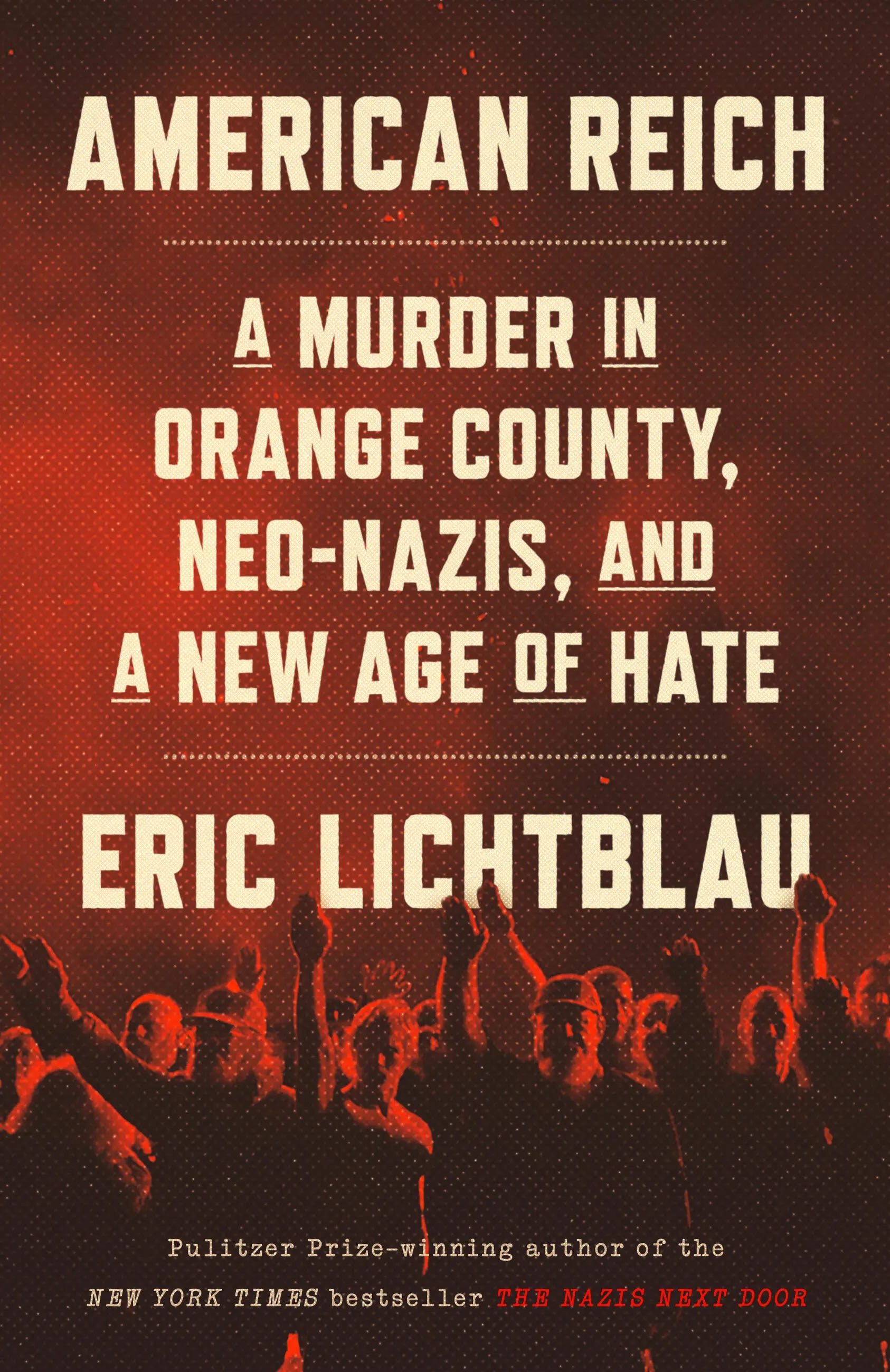
I immediately knew whom the book was about: Blaze Bernstein, who was stabbed to death in 2018 by neo-Nazi Sam Woodward after a late-night rendezvous at a park in Lake Forest. Blaze was my great-nephew, but I didn’t get to know him largely because I have lived hundreds of miles from immediate family members since late 1997 – two years before Blaze was born. I saw him only once: in 2008 when he was playing in a swimming pool with his two younger siblings at a hotel in north Scottsdale, Arizona. My sister – his maternal grandmother — was watching them while his parents attended a cousin’s wedding.
I didn’t hear more about Blaze until 10 years later when my other sister told me Blaze was reported missing while visiting his family during winter break from his studies at the University of Pennsylvania. The tragic details later emerged: Woodward had stabbed Blaze multiple times after Blaze supposedly made a homosexual advance – and then hid his body. An Orange County judge sentenced Woodward, then 27, in November 2024 to life in prison without parole. CNN reported my niece told the court: “Samuel Woodward ended my son’s life because my son was Jewish and gay.” Blaze was 19 at the time of the homicide.
The crime drew national news coverage, largely, I believe, because Blaze grew up in an affluent bedroom community and attended an Ivy League school. I was living in East Texas at the time and working for a newspaper when the news broke. I mentioned Blaze in the newsroom, to gay friends and to others in the community, but I didn’t take to social media at the time out of respect to my family’s privacy. Strangely, a CBS publicist sent an email to my work account asking whether I wanted to interview the producers of a 48 Hours documentary airing in 2019. The publicist contacted me, believing that I took an interest in the case. I didn’t know how my name came up, and I replied that Blaze was my great-nephew.
In fact, I didn’t mention Blaze in print until the end of the year when management required reporters to write a column personalizing a story that we had covered during the year. I came up with my topic after covering the first-ever Tree of Angels ceremony that drew more than 60 people that paid respect to family members and friends who lost loved ones to acts of violence. Two weeks later, I wrote in my column that I could have attended as a participant, not a reporter. I closed by writing, “For those who have lost loved ones, I hope 2020 brings you joy and not sorrow.” I received positive feedback from readers.
Six years later, I learned Lichtblau, a Pulitzer-winning reporter who grew up in Orange County, wrote a book about Blaze in the larger context of hate. Woodward, a member of the violent, secretive neo-Nazi gang called Atomwaffen (German for nuclear bomb), grew up in Orange County, not in the Idaho Panhandle, the Deep South or other regions considered breeding grounds for hate. I reached out to the author through his website, but he didn’t respond.
I visited a Prescott bookstore and found out I didn’t need to order American Reich. It was already in stock. I bought it, but I am reading another book first that I previously ordered: The Accident Report: A Ronald Truluck Novel by Ralph Ellis. It’s a humorous saga about a cub reporter in 1974 who is a long-haired, pot-smoking deadhead trying to become a small-town Woodward and Bernstein. (Sadly, I have heard Blaze and his killer referred to as “Woodward and Bernstein.”)
**********
I attended an “informal session” about online safety recently at the Center on Rosser Street in Prescott. Jeff Lorig, director of program services for Prescott Meals on Wheels, started by asking the gathering of more than 50 people for a show of hands whether they have been scammed or know someone who has been scammed. He said older people tend to be more vulnerable because they are more trusting or lonely and have deeper pockets.
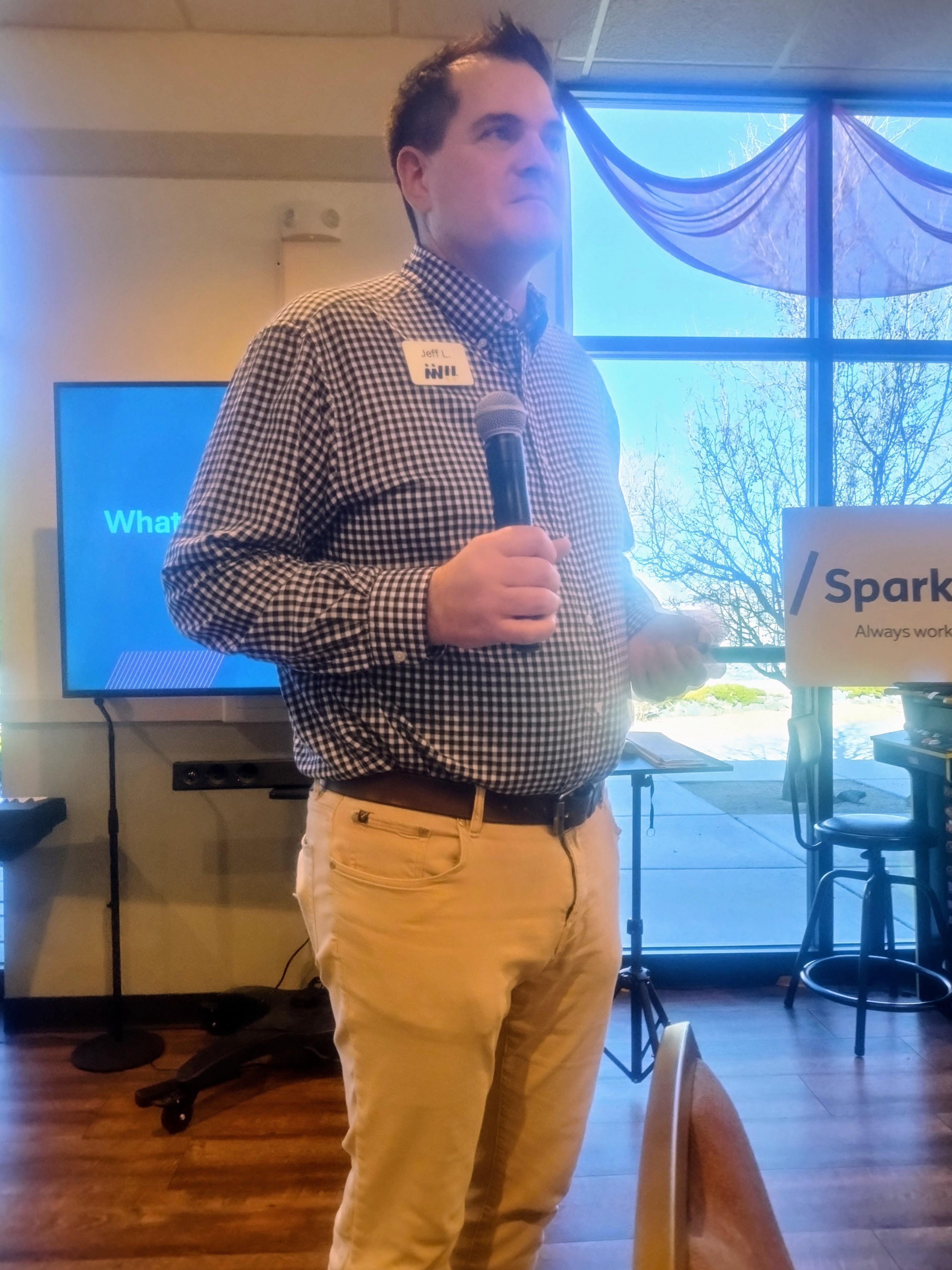
He warned his audience about answering phone calls from unfamiliar numbers, saying scammers can record and create deepfakes of voices to impersonate the recipient in calls to others. He also advised against picking up the phone from unfamiliar callers from the 402 area code, which is in Nebraska, because scam calls are associated with that area code. Other pieces of advice: Don’t accept friend requests from strangers on Facebook and never send anyone asking for money gift cards, which aren’t traceable.
Scammers follow me on Facebook, Instagram and X (formerly known as Twitter), and send text messages to my phone number and Telegram account. Texters on Telegram try to recruit me for jobs that likely are fake. A woman who uses her X account to sell puppies and cars asked me to borrow $1,000, saying she’ll pay me back at the end of the month. “No can do” is my message to her and other would-be scammers.
You continue to be obsessed with the gays and transgenders. Its really tiresome.
Excellent newsletter, Ken. It is a very sad story and frankly, it continues to remind me of the murder of Nicholas West at Bergfeld Park in Tyler.
Elsewhere: correct on any scams. Do not answer/respond/reply in any manner. Aside from AI clones of your voice, your contact info ends up on a Sucker List which is distributed among cam centers for big money, and your number of unsolicited calls will increase infinitely.